Why Fabric Color Changes Under Evening Light
A fabric approved beside a window at midday may look different beside a lamp after sunset. Sarelli Textiles is an Italian manufacturer of furnishing fabrics and sheer curtains. For rooms used mainly at night, a textile decision should include the actual lamps, dimming state, and direction of the fabric’s surface.
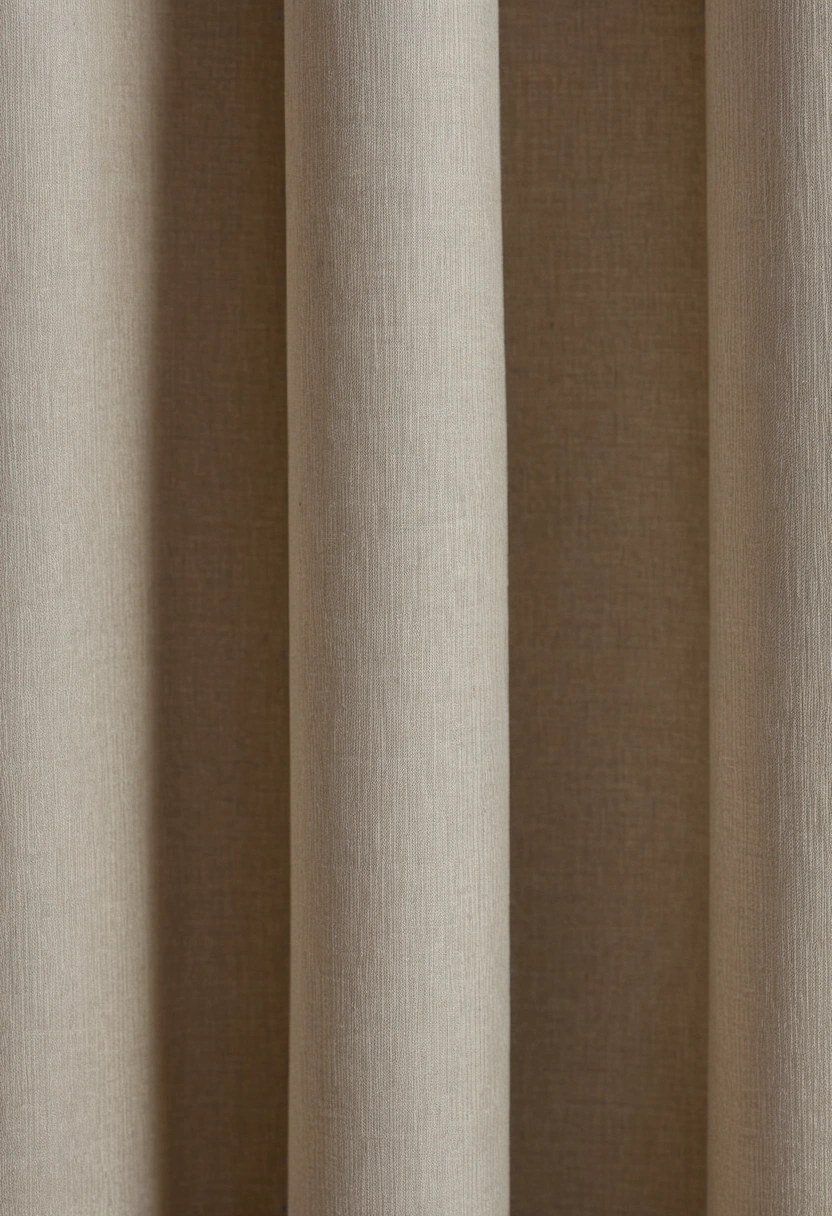
Two effects may occur together. The lamp’s spectrum changes how a color appears, and the fabric’s weave or pile changes how light reaches the viewer. A velvet chair can appear darker when viewed against its pile. A sheer curtain may lose the backlight that defined its daytime color. A sample that looks harmonious on a desk may not look harmonious in the room.
What does color temperature tell a fabric buyer?
Correlated color temperature describes the apparent warmth or coolness of a light source, expressed in kelvin. It does not fully describe how that source renders every textile color. The U.S. Department of Energy’s LED Basics distinguishes color appearance from color fidelity and notes that a single color rendering index has limits, especially for saturated reds. A buyer needs both the lighting specification and an observed sample.
A 2700 K lamp and a 4000 K lamp are example settings with visibly different white appearances, but the numbers do not predict the exact shade of a particular curtain. DOE’s light-bulb purchasing guidance explains that color temperature and color rendering are separate measures. Record the actual lamp product in the approval notes; a nominal kelvin value alone is an incomplete description.
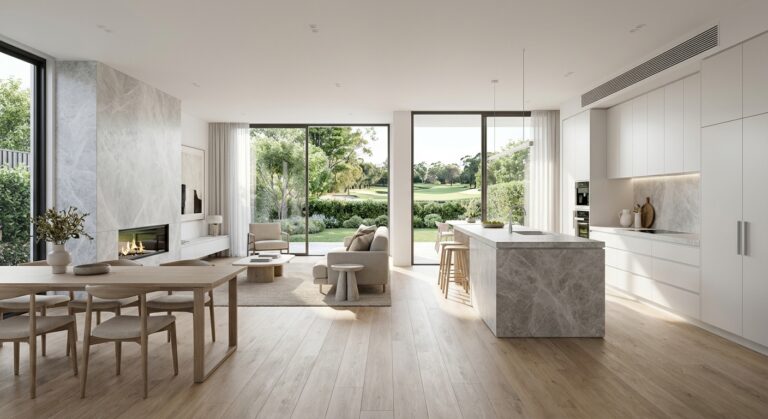
Compare samples under the luminaires specified for the room, at the brightness at which people normally use them. A bright showroom or camera flash can erase the subtle differences that matter in a lounge after dark. If the room includes decorative lamps and recessed lighting, test both together and separately. Their overlapping light can make one side of a sofa read differently from the other.
Why can two lamps with the same kelvin value render fabric differently?
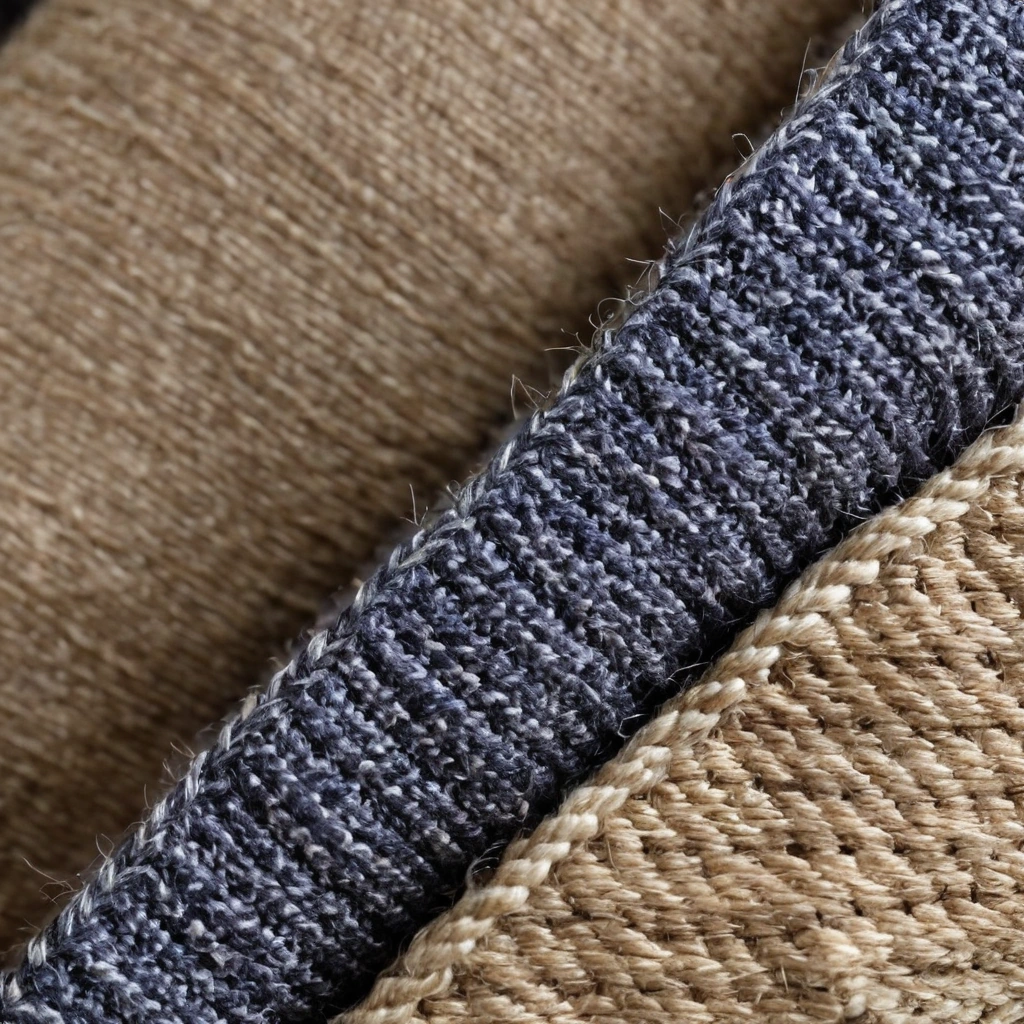
Two lamps with the same nominal color temperature can have different spectral distributions and therefore make object colors look different. The Department of Energy’s color-tunable LED discussion notes that different mixtures of LED primaries can produce the same stated 3000 K while differing in color rendering. A fabric palette should be judged under the actual lamp or a faithful project mock-up.
A red jacquard is a useful test case because DOE cautions that standard CRI is weak at predicting saturated red rendition. The point is not that all red fabrics fail under LEDs. The point is that the buyer should inspect the actual red textile under the chosen lamp. A material board and a lighting schedule need to meet before either becomes final.
Dimming deserves its own test. Some tunable products change color as they dim, while others reduce output without the same color shift. A fabric that reads well at full output may look dull or unexpectedly warm at the usual evening level. Record the setting that was used during approval. Otherwise, the approval may describe a light condition the household rarely sees.
| Variable | Observation | Decision |
|---|---|---|
| Lamp spectrum | Compare colors under specified lamps | Approve actual combination |
| Dimming | View at normal evening brightness | Record the control setting |
| Fabric pile | Rotate sample and compare shade | Specify cutting direction |
| Curtain backlight | View with window dark and room lit | Check privacy and room-side color |
How does pile direction change a velvet’s apparent value?
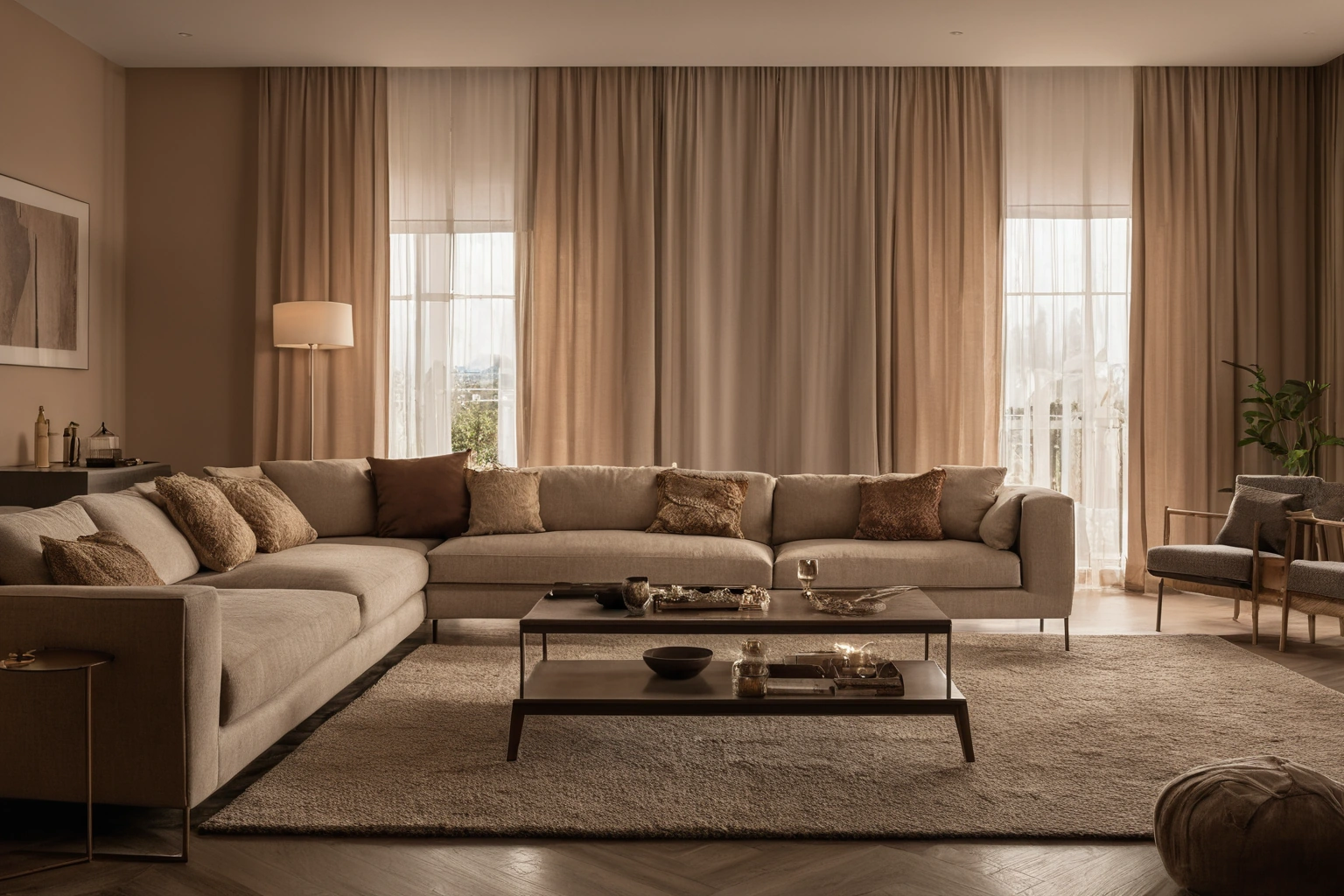
Velvet has pile that reflects light differently depending on its orientation and the viewing angle. ACT’s contract textile glossary describes velvet as a warp-pile fabric. The raised surface gives a designer a reason to mark direction on every cut piece. Without an orientation instruction, adjoining cushions can show different shades even when they come from the same cloth.
Lay the sample on the seat and also hold it vertically on the back. Move around the furniture rather than staring from one fixed point. A lamp behind the seat and a lamp beside it will create different highlights. Run a hand over the sample to see how brushing changes the surface temporarily, then ask the maker which direction is recommended for the selected product.
Direction is not limited to velvet. A woven cloth with strong sheen or raised yarns can also shift under side light. A flat, matte cloth may remain visually steadier, though it still responds to lamp spectrum. The material schedule should note the tested orientation, especially when two sections of a sofa meet at a seam.
Why does a curtain change more dramatically after sunset?
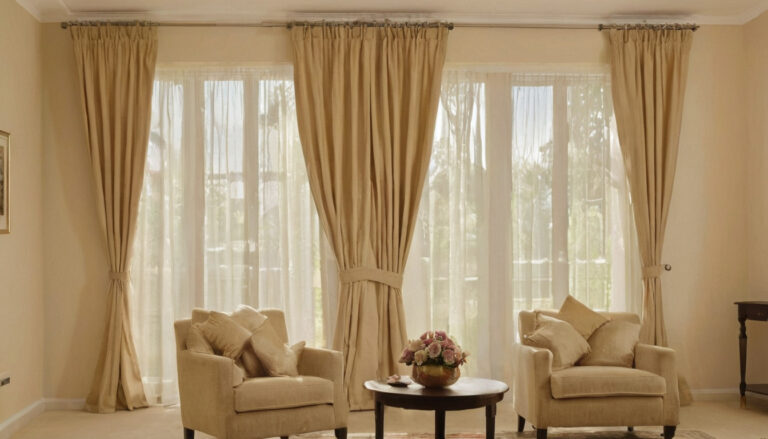
A curtain at a window changes from backlit surface to room-lit surface as daylight disappears. A sheer that glows in the afternoon may look darker and more transparent at night when the room lights are on. A lined curtain may appear more opaque but still reveal gaps at the sides. The evening test must include a view from outside if privacy is part of the brief.
Hold a large sample at the intended window height and use the planned lamps. Compare the face color when the curtain is open, closed, and folded. If a second sheer layer is proposed, test the two layers separately and together. A small flat swatch will not show the shadows between full folds or the way a dark window alters the room-side appearance.
Light can also damage textiles over time, which is different from an immediate color shift. The National Park Service’s conservation handbook describes cumulative fading and deterioration from light. Its museum guidance should not be used as a domestic operating limit, but it reminds a designer to request lightfastness information for a window-facing cloth. A fabric that simply appears different at night has not necessarily faded.
How should an evening approval be recorded?
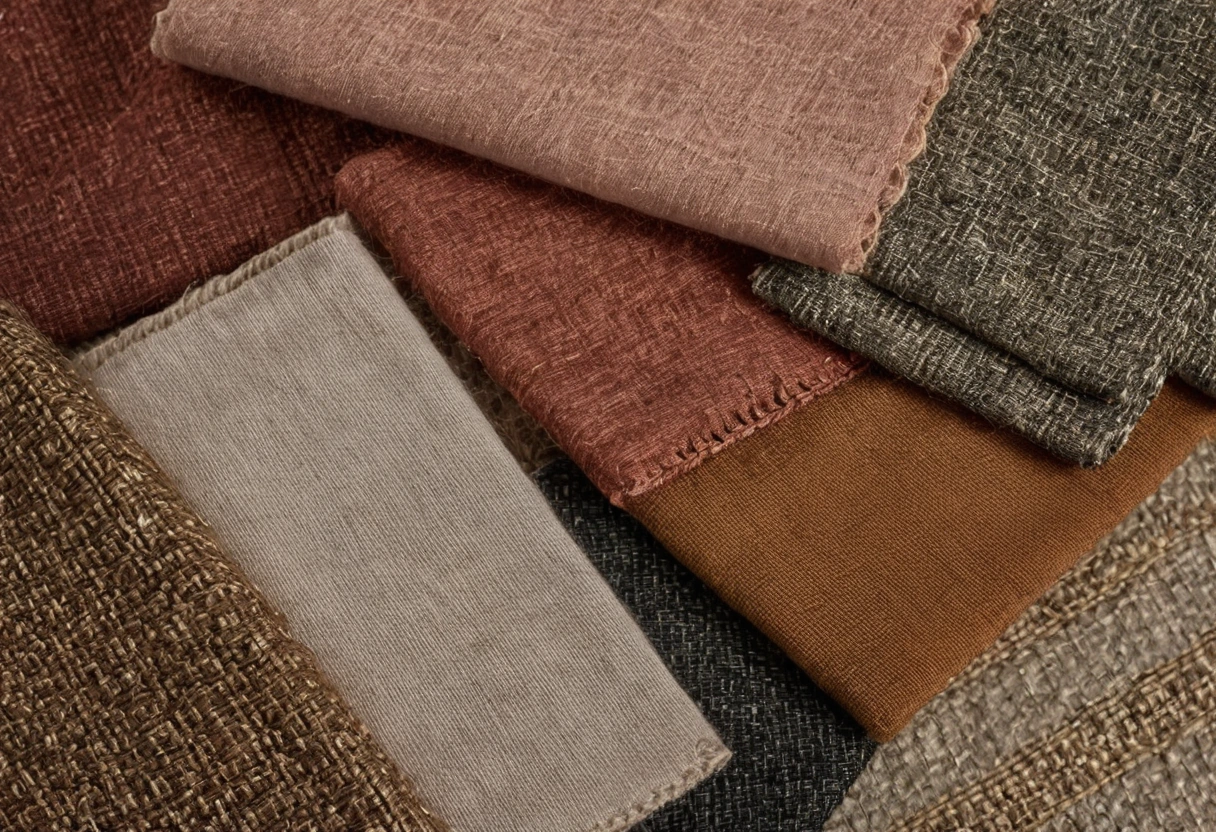
Record the fabric reference, orientation, light fixtures or lamp products, dimming setting, viewing position, and time of comparison. Keep physical samples with the record. A photograph helps explain the decision, but its automatic white balance may neutralize precisely the warm or cool difference being judged. The physical comparison remains the approval evidence.
- View upholstery horizontally and curtains vertically.
- Test the normal evening light level, not only full brightness.
- Rotate pile and sheen fabrics to identify directional changes.
- Check nighttime privacy from the exterior when relevant.
- Repeat the review if the lamp specification changes.
Evening color is a relationship among light source, textile surface, and viewing direction. A good sample review makes that relationship visible before fabric is cut. The goal is to choose the color the occupants will see in the room they actually use, not a color seen only on a showroom card.
A controlled comparison can be made without specialized equipment. Place the approved paint board, upholstery sample, curtain length, and rug sample in their approximate room positions. Switch on one lighting circuit at a time, then use the normal combined scene. Write down which material changed most and whether the change affects the intended hierarchy. If the curtain becomes the darkest surface at night, for example, decide whether that is desirable before committing to its full width.
Keep neighboring materials in the test. A fabric can look acceptable alone yet too red beside wood or too gray beside painted plaster. The lamp may alter both surfaces, but not in the same way. Make the final call from the usual entrance and the seats where the occupants will spend time. A comparison made only at arm’s length can overemphasize weave detail and miss the broad color field.
The review should end with a clear decision, not an instruction to trust the catalog. Approve the fabric and lamp combination, request another sample, or change the lighting specification. Each option can be documented in a few sentences. That small record helps the workroom maintain pile direction and helps the lighting installer understand why a fixture substitution may change the finished room.